Enhance Your Home With Professional Building Services
Optimizing a home through expert design consultation involves more than just aesthetics. It involves a deep understanding of usable design and state construction regulations. Engaging an veteran architectural professional can tackle common challenges while enhancing property value. The process is systematic and thorough, guaranteeing that every detail harmonizes with the homeowner's expectations. Yet, many homeowners struggle to progress through this journey effectively. What steps can they take to secure a successful partnership?
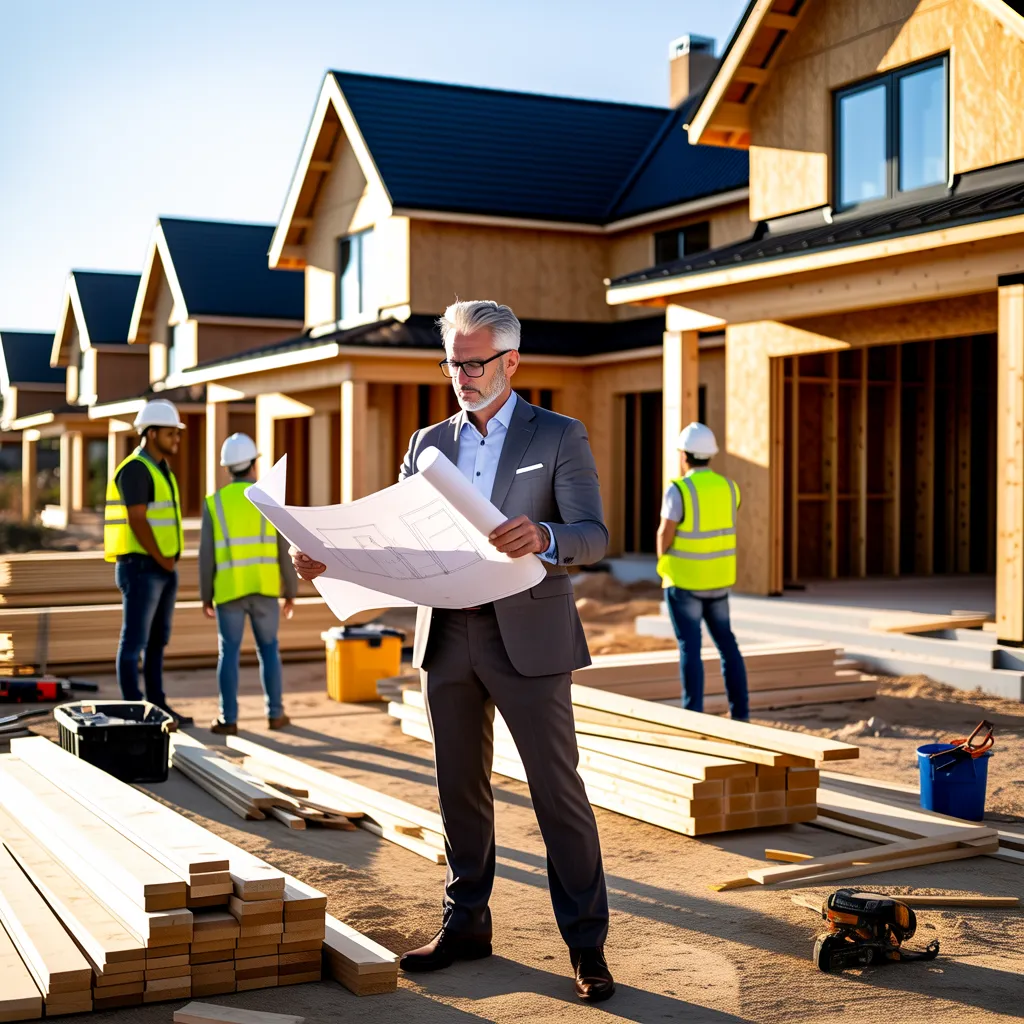
Common Home Design Challenges and How Architects Help
Why is home design so taxing for numerous homeowners? The difficulty of reconciling aesthetic choices with functional demands often overwhelms them. Homeowners routinely deal with spatial constraints, financial constraints, and regulatory standards, making the design process more complex. Additionally, many are short of the specialized skills required to tackle building considerations and building codes.
Architects serve as an essential role in alleviating these obstacles. Their training equips them to manage the intricacies of design, guaranteeing that a property owner's vision aligns with realistic realities. Architects can deliver creative solutions to maximize space while review this content adhering to safety standards. They also assist in creating cohesive designs that embody the homeowner's aesthetic. By offering insights into materials and building methods, architects help simplify the decision-making process. Ultimately, their expertise converts a possibly daunting undertaking into a cooperative journey, promoting a balanced balance between innovation and practicality in residential planning.
Benefits of Partnering With a Professional Architect
Collaborating with a professional architect improves the home design experience by integrating professional expertise with the homeowner's vision. Architects bring a vast array of skills in design principles, building codes, and eco-friendly methods, guaranteeing that the undertaking not only meets visual objectives but also complies with requirements. Their skill in envisioning and communicate sophisticated thoughts helps in converting theoretical ideas into concrete plans.
Furthermore, architects can provide cutting-edge solutions to spatial challenges, perfecting layout and functionality. They also manage the intricacies of the construction phase, working with contractors and suppliers to guarantee finances and schedules are adhered to. This expert oversight minimizes mistakes and reduces the worry associated with home construction or renovation. In conclusion, collaborating with an architect achieves a thoughtfully designed, cohesive space that captures the homeowner's personality while enhancing overall property worth.
What Make Up the Vital Elements in the Architectural Methodology?
Why is understanding the architectural process important from concept to end? The journey commences with an first meeting, where the architect and customer review objectives, needs, and financial considerations. This phase is essential for building a solid direction. Next, the designer conducts location review, evaluating variables like topography, climate, and zoning requirements.
Next, the conceptual stage begins. During this time, sketches and digital models are generated, letting the client to picture the project. After the design is finalized, the architect puts together comprehensive technical documents, including specifications and drawings.
Once necessary permits are obtained, the project enters the building stage. The architect frequently works with contractors to ensure that the design is executed correctly. Regular on-site inspections and evaluations help preserve quality and adherence to the original vision. Finally, the project culminates in a inspection, confirming that the completed structure meets the client's requirements before the official handover.
How Do You Locate the Perfect Architect for Your Home?
Locating the ideal designer for a home involves thorough consideration and research. Potential property buyers should begin by establishing their particular requirements and financial plan, which will guide their hunt. Recommendations from acquaintances, loved ones, or real estate professionals can offer valuable connections. Online collections of work and testimonials help in evaluating an architect's previous work and client satisfaction.
Next, prospective clients should speak to multiple prospects to assess their manner of speaking, background, and design approach. It's crucial to cover project timelines and client expectations to ensure agreement. Furthermore, verifying credentials and reviewing proper licensing and credentials can prevent future complications.
Finally, homeowners should rely on their instincts. The perfect architect should not only possess the necessary skills but also align with the homeowner's vision and principles. This collaboration creates a working relationship, eventually leading to a fruitful collaboration in creating a dream home.
Ways to Convey Your Vision Powerfully
Effectively communicating a concept for home design is essential for a fruitful collaboration between property owners and design professionals. To achieve this, property owners should begin by distinctly defining their needs and tastes. Developing a mood board with photographs, colors, and finishes can assist in conveying visual preferences. Additionally, outlining practical specifications, such as space dimensions and layout, ensures that the designer comprehends functional aspects.
Home owners should also engage in open dialogue, promoting questions and feedback to enhance their direction. Regular check-ins throughout the planning phase promote teamwork and openness. Using straightforward language to convey ideas and concerns can prevent misunderstandings and help match expectations.
Finally, being receptive to the architect's expertise allows for a more dynamic exchange of ideas. By combining personal vision with professional insight, homeowners can foster a constructive relationship that results in a beautifully designed space showcasing their aspirations.
Guide to Managing costs for Architectural Services
During the commencement of a home design project, setting a budget for architecture services is indispensable to prevent monetary difficulty later. Homeowners should begin by examining typical fees in their area, which can vary based on the project's complexity and the architect's experience. It is recommended to allocate a percentage of the overall project cost specifically for architectural services, typically ranging from 5% to 15%.
Next, customers should evaluate the range of offerings needed—whether they need comprehensive design and project management services or just initial consultations. Having transparent conversations with prospective architectural firms about their pricing models can offer insight on costs.
Additionally, property owners should consider possible changes and unforeseen costs, creating a financial cushion in their budget. By explicitly establishing their financial parameters upfront, customers can ensure they choose an architect who aligns with their vision while staying inside their financial boundaries.
Regularly Inquired Topics
What Styles of Building Design Are Possible for My Home?
Homeowners are able to select from numerous architectural styles, featuring modern, traditional, colonial, Mediterranean, and contemporary. Each style provides distinctive aesthetic qualities and functional aspects, permitting individuals to convey personal taste while considering regional influences and environmental factors.
What Time Period Does the Architectural Process Typically Entail?
The design procedure typically takes several months, depending on project complexity, design approvals, and local codes. Elements such as client feedback and construction schedules can also affect the timeline greatly during the entire process.
Can Architects Offer Guidance With Environmental Design Possibilities?
Architects can certainly help eco-conscious design alternatives. They integrate environmentally responsible materials, efficient energy systems, and innovative layouts, guaranteeing projects reduce environmental impact while maximizing functionality and aesthetic appeal, aligning with clients' sustainability goals successfully.
Which Requirements Would I Find in an Design Professional?
When bringing on an architect, one should take into account their education, licensure, track record with pertinent projects, compilation of work displaying their design approach, and awareness of local regulations. Capacity for clear communication and client testimonials also play key roles in the selection decision.
In What Manner Do Design Experts Navigate Zoning and Permit Questions?
Architects tackle zoning and permit issues by conducting thorough research on regional requirements, preparing necessary documentation, and communicating to municipal authorities. Their knowledge guarantees compliance, expediting the approval process for customer developments effectively.